
What to Grow in a Nourishing Family Garden
If you are new to gardening and have been considering starting this year, you should know that now is the time to start planning. You’ll want to decide what to grow, order your seeds, and you may even want to start some seeds indoors, if you live in a colder climate like I do.
When I didn’t know much about gardening, I used to picture rows of perfect vegetables, endless harvests, and children happily eating everything that comes out of the ground. Now that I have experience, real life usually looks a little different. Kids can be picky, time is limited, not every crop thrives, and sometimes you end up overwhelmed with weeds or 20,000 zucchini. That’s why a nourishing family garden isn’t about growing everything you can, it’s about growing the foods that truly support your family’s health, fit your season of life, and are realistic to maintain and preserve (if that is what you want to do). Believe me when I say that I learned the hard way 🙂
A nourishing garden focuses on nutrient density, versatility, and simplicity. These are the plants that give you the most nourishment for your effort and naturally support digestion, immunity, and overall family wellness.
Start With Nutrient-Dense Staples
If you’re limited on space or energy, prioritize vegetables that offer the biggest nutritional return.
Leafy Greens
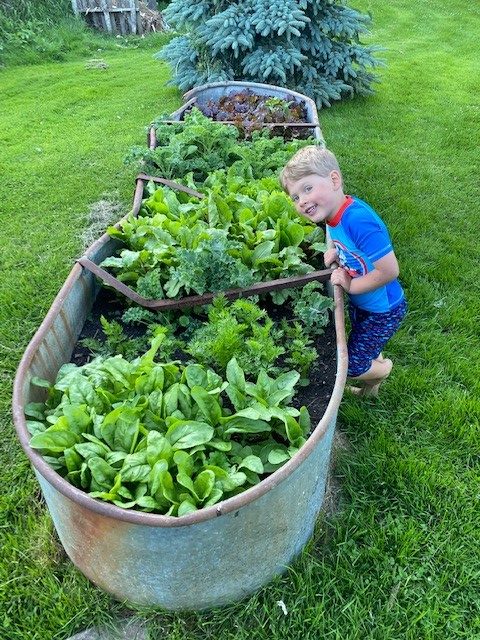
Leafy greens are some of the most nutrient-dense foods you can grow, and many are surprisingly easy.
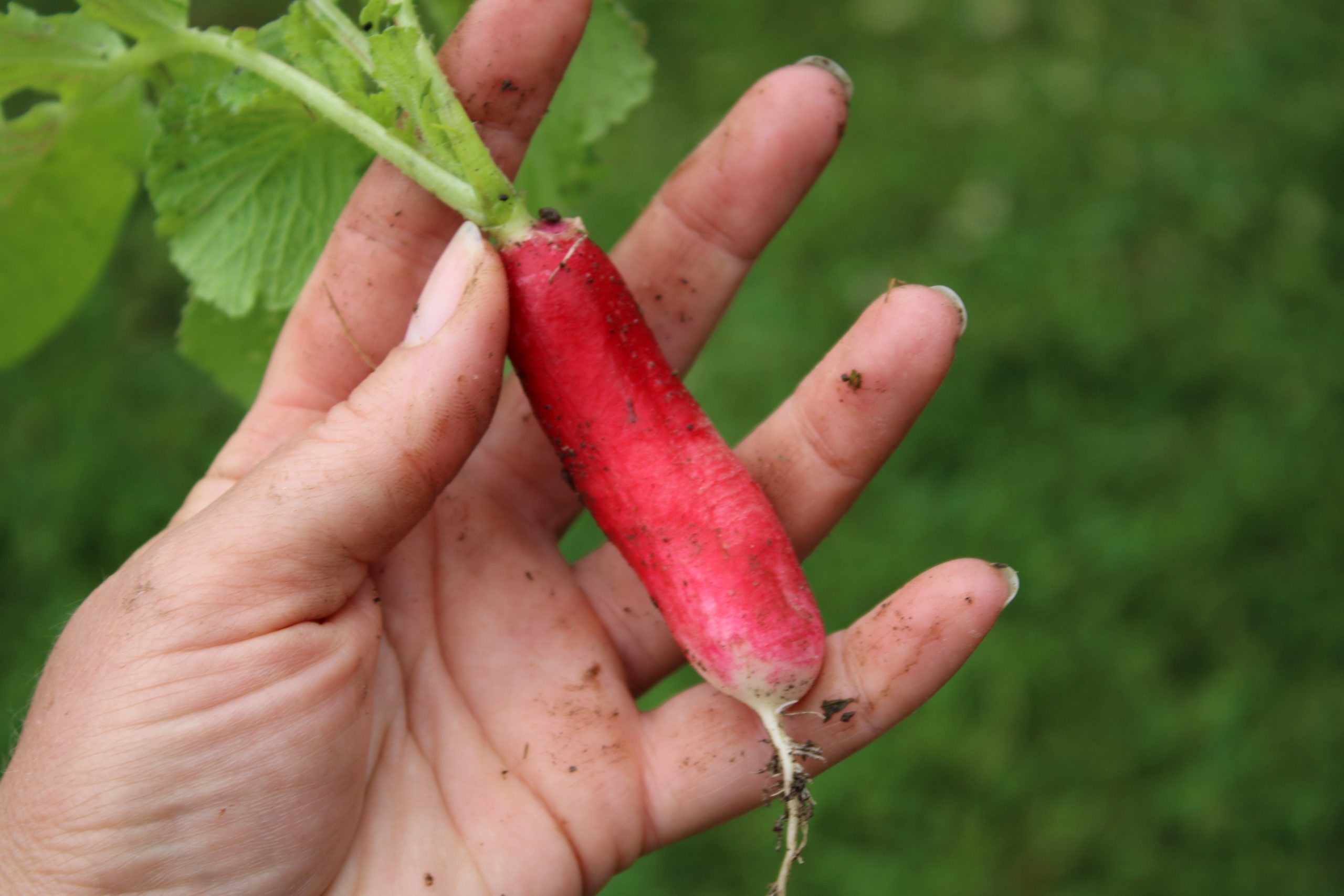
- Kale – Extremely hardy/can grow into start of winter, great for soups, sautés, smoothies
- Swiss chard – Mild flavour, beautiful in the garden, kid-friendly when cooked
- Spinach – Fast-growing and perfect for early spring and fall, great for salads
These greens support detoxification, mineral balance, and gut health. A bonus is that they can be harvested multiple times throughout the season.
I even add leafy greens to my High Protein Double Chocolate Muffin Recipe for extra nourishment. My kids have no idea!
Garlic & Onions
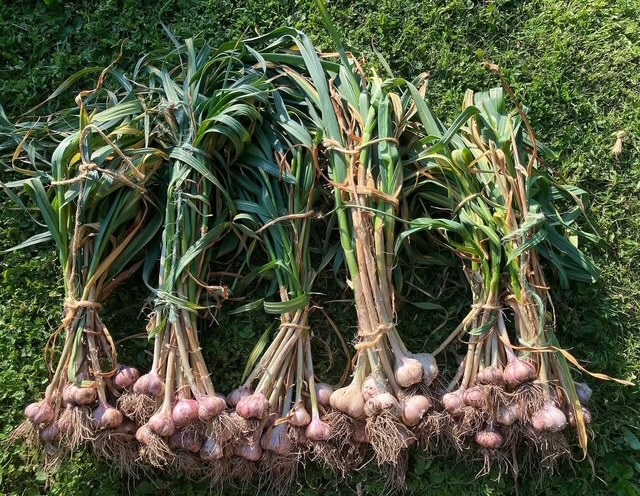
Garlic and onions are true workhorses in a nourishing kitchen.
- Support immune health
- Act as natural antimicrobials
- Store well and can be enjoyed over cold months
Grow What Supports Digestion
A naturally nourished family garden should include foods that gently support digestion, especially for children and busy adults.
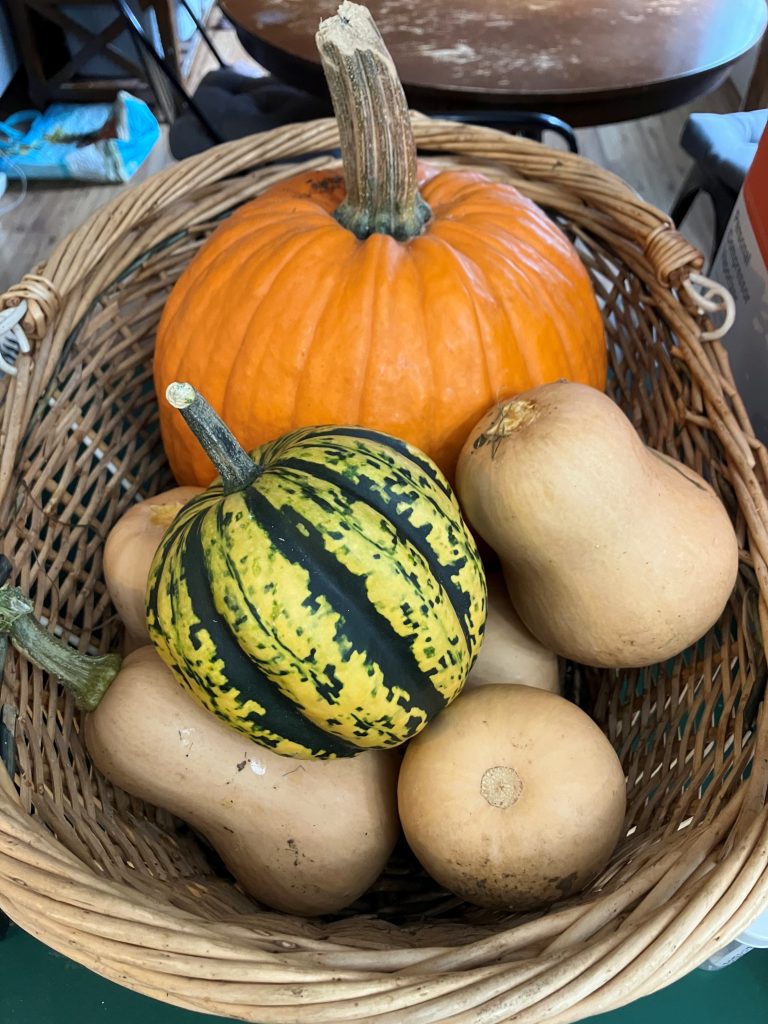
Squash & Zucchini
- Easy to grow
- High-yield
- Mild and adaptable for kids
- Winter varieties can be stored for winter consumption
Zucchini can be added to muffins, soups, stir-fries, and even grated into sauces without complaints.
Root Vegetables
- Carrots
- Beets
- Parsnips
Root vegetables are grounding foods that support blood sugar balance and digestion. Offering sweet root vegs can also help curb kids and adults sugar cravings and crowd out other unhealthy choices. They also store well, also making them ideal for winter nourishment.
Herbs Every Nourishing Garden Should Have
Herbs are one of the easiest ways to turn a basic garden into a healing one.
Culinary & Medicinal Herbs
- Parsley – Rich in minerals and supports detox, great for adding colour to a dish
- Basil – Anti-inflammatory and loved by kids, a must for making fresh pesto
- Thyme – Immune-supporting and antibacterial
- Mint – Excellent for digestion and tummy aches (best grown in containers)
Fresh herbs elevate simple meals and gently introduce children to diverse flavours. At the end of the season, you can also dry the herb plants and store in glass containers or repot in a sunny window indoors to keep the fresh harvest going all year long.
Perennial Foods That Feed Your Family Year After Year
Perennials are a cornerstone of a low-stress, nourishing garden.
- Rhubarb – Supports digestion and grows back every spring
- Berry bushes (raspberries, currants, blueberries) – High in antioxidants and kid-approved
- Fruit Trees – I wouldn’t say low-stress at the beginning but high yields for years to come once matured
- Chives – One of the first greens to appear in spring
Once established, these plants require little effort and provide consistent nourishment.

What to Skip (at First)
Not everything needs to be grown at home, especially in the early years.
You may want to skip:
- Crops that require constant pest control
- Vegetables your family doesn’t actually eat
- High-effort, low-yield plants
Your garden should support your life, not overwhelm it.
Gardening With Kids
Children are more likely to eat what they help grow, but the real benefit of gardening together goes deeper.
- Let kids choose one plant of their own
- Involve them in harvesting and washing produce
- Keep expectations low and joy high
- If you have the space, let them create their own garden
Gardening teaches patience, responsibility, and where food truly comes from, lessons that last far beyond the growing season.
A Nourishing Garden Grows Over Time
You don’t need a perfect plan or a large space to begin. A nourishing family garden starts small, grows with your confidence, and evolves with your family’s needs.
Whether it’s a single raised bed, a few containers, or a backyard plot, every seed you plant is an investment in your family’s health, resilience, and connection to the land.
This is what naturally nourished living looks like: simple, intentional, and rooted in care.
This book is a great resource if you are a beginner gardener and need more information to get started.
If you love nourishing food and are getting excited for the Spring, check out my blog post on Spring Foraging.
*This post may contain affiliate links. Please read my privacy & disclosure policy here.




Steph this is such a great blog! I was recently dreaming about being in the space where we can start planning a garden – when that time/space comes, I’ll be leaning on you for advice!
I’m so glad you’re enjoying it 💜